Technical glossary
Sources checked · Verification method
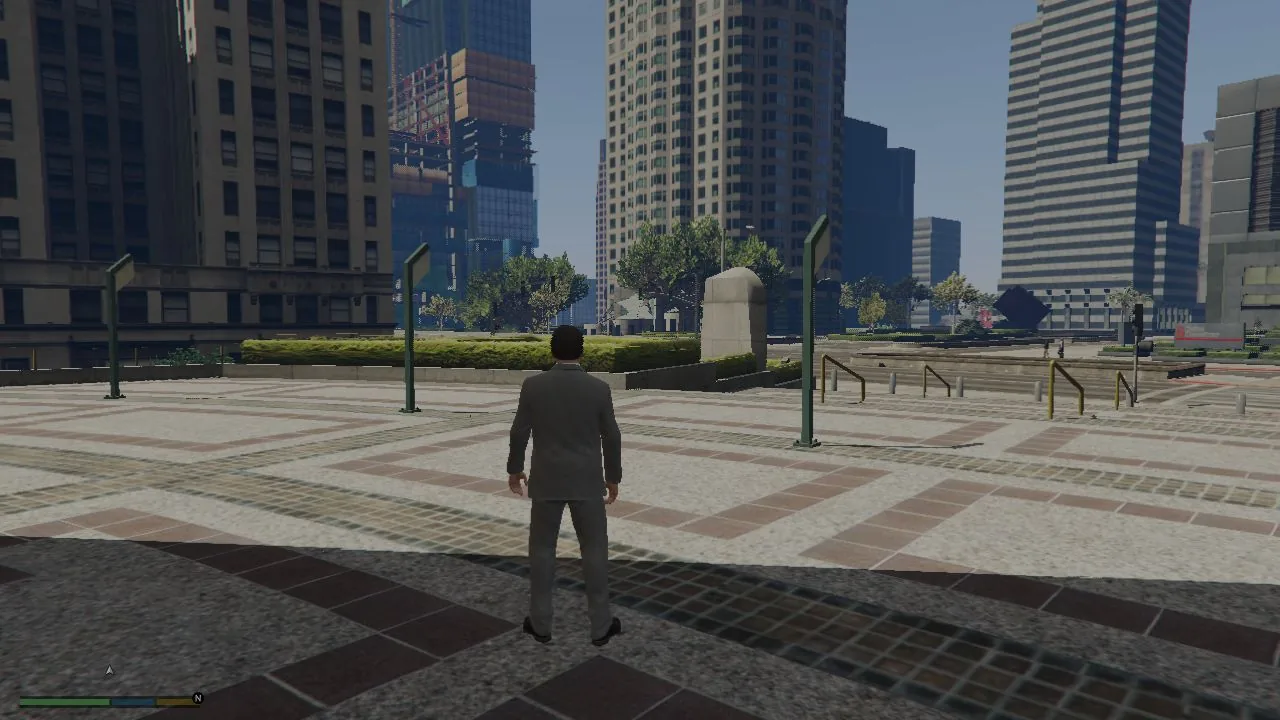
The port write-ups are full of engine words. This page says what each one is doing in the articles on this site. It is not a textbook, and a version number here can go stale. The check date is 22 November 2026.
Words you will meet
WebAssembly (WASM)
A way to run a compiled program inside a browser tab, close to native speed, without a separate install. The Vice City and GTA III pages are this. The 32-bit form tops out around 4 GB of memory. The GTA V port uses the 64-bit form so it can ask for more, up to the 16 GB ceiling in the teardown.
WebGPU and WebGL 2
Two generations of browser graphics. Vice City’s documented builds use WebGL 2. The GTA V port and the GTA IV experiment speak the newer graphics feature, because they are replaying newer graphics calls. MDN’s table is the version list on the mobile page.
reVC
The reverse-engineered Vice City codebase used by the browser projects documented on the Vice City page. The engine reconstruction and the original game assets are separate things: a project can require files from a PC copy the reader owns. reVC is a community project, not a Rockstar browser release.
re3
The related reconstruction for GTA III. The GTA III page distinguishes the re3 engine from the claims made by particular browser hosts. Take-Two notices and the 2021 lawsuit covered re3 and reVC; a later host does not erase that history.
OpenSA
A from-scratch San Andreas engine whose project README records closure on 25 August 2026 and withdrawal of its source and demo. That project notice is the primary record, even when a later article describes a playable browser version. The competing dates are retained on the San Andreas page.
reGRANDIV
The GTA IV experiment documented by the reGRANDIV-v2 repository. Its README specifies an Xbox 360 disc-image route and a local launcher; it is not the same project as re3, reVC, or a streamed cloud PC. See the GTA IV requirements for the dated project claims.
Own files and browser storage
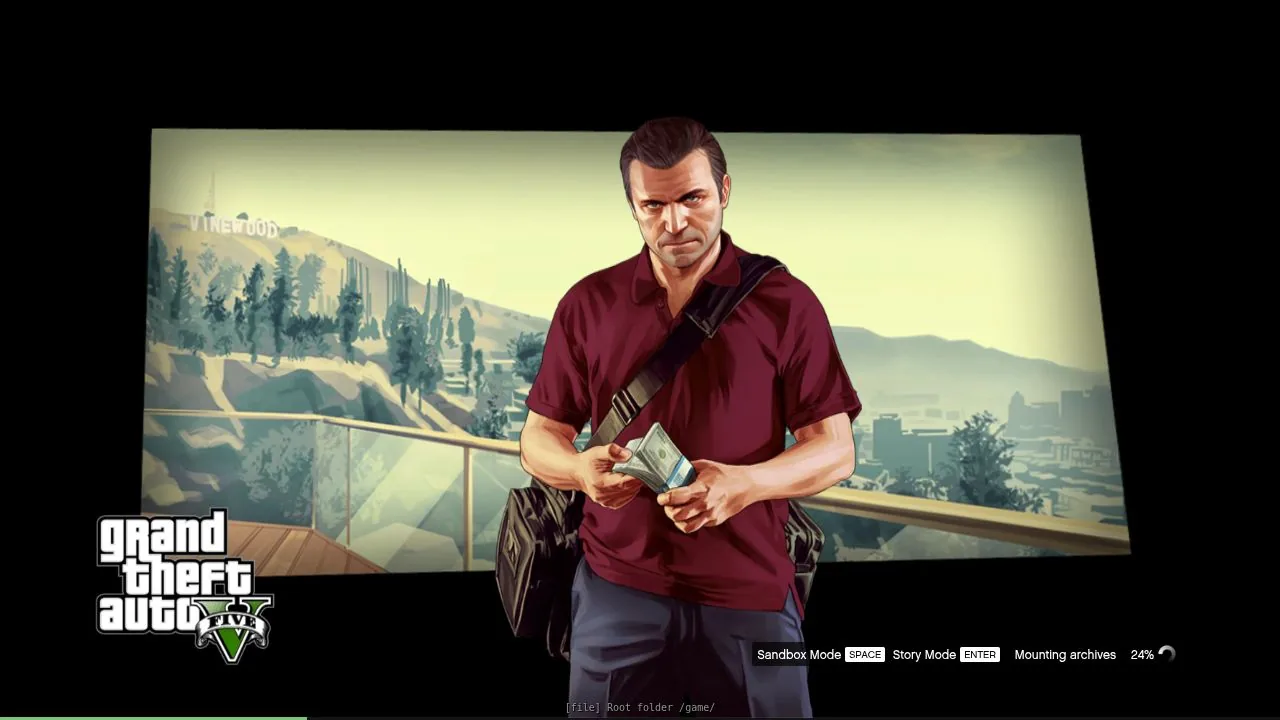
“Bring your own files” means the page expects a PC install you already have, dropped into the tab. The browser then keeps those bytes in its own storage, either the origin’s private file area or a small database. Vice City saves from the retail game are the eight files named GTAVCsf1.b through GTAVCsf8.b. The GTA V port does the opposite: it stores a save under the name gta5-userdata and fetches the game data from the operator.
Shared memory and isolation
Some of these builds split work across threads that share one block of memory. Browsers only allow that on a secure page that has opted into cross-origin isolation. An archived snapshot often lacks that opt-in, which is why the teardown says those copies die around 5 percent. A live project page is a different object from a saved copy of it.
66 percent
A label the GTA V loader paints when the engine starts reading single-player metadata. It is not “66 percent of the files.” The map is on the stuck page.
Cloudflare Error 1014
Cloudflare’s cross-user CNAME error: a hostname points to a domain in another Cloudflare account where that configuration is not allowed. It is a configuration error. Outlets inferred a legal takedown when the GTA V port showed it on 6 October 2026. The inference is not the definition. Cloudflare’s page is linked below.
RAGE and RenderWare
RenderWare is the engine under GTA III, Vice City, and San Andreas. RAGE is Rockstar’s later engine, used for GTA IV and GTA V. A browser article that mixes them is talking about two different generations of game.
DMCA notice
A copyright takedown notice sent to a host or platform under the US Digital Millennium Copyright Act. A public notice records a request and its stated claims; it is not a court judgment. The legal page keeps the November GitHub notices separate from the earlier outage reports.
archive.org and archived snapshots
The Internet Archive’s Wayback Machine preserves snapshots of web pages. A saved article can document what a project said on a date. A saved application may still be missing scripts, assets, APIs, or response headers that it needs to run. The GTA V teardown specifically describes incomplete game snapshots; an archived page is evidence of a past page, not evidence of current availability.
Self-hosted
Running a project’s web files on infrastructure you control instead of using somebody else’s public host. That changes who serves the application. It does not itself grant rights to the game code or assets, and it does not turn a community project into an official release. File requirements still come from the particular project’s documentation.
Questions
Is a browser port an emulator?
The GTA V teardown says no. It is the game code compiled for the browser, not a program pretending to be a console. GTA 1 and 2 in a tab are the older case: a DOS emulator.
What is a DMCA notice in this context?
A written demand that a host take material down. The 18 Nov 2026 GitHub files are that kind of document. They are not the same thing as a finished lawsuit.
Related
Sources
- Internet Archive — Wayback Machine help — checked 2026-11-22
- GitHub — OpenSA project notice — checked 2026-11-22
- GitHub — reGRANDIV-v2 requirements — checked 2026-11-22
- TorrentFreak — re3 and reVC lawsuit — checked 2026-11-22
- GitHub — public Take-Two notice — checked 2026-11-22
- ai.satyajit.si teardown — checked 2026-11-22
- V8 — 4 GB WebAssembly memory — checked 2026-11-22
- MDN — WebGPU versions — checked 2026-11-22
- Cloudflare — Error 1014 — checked 2026-11-22
- GitHub — wasm-revc — checked 2026-11-22